How Wakirike Ancestors Built One of Nigeria's Greatest Maritime Cultures
By Atamuno Sunny
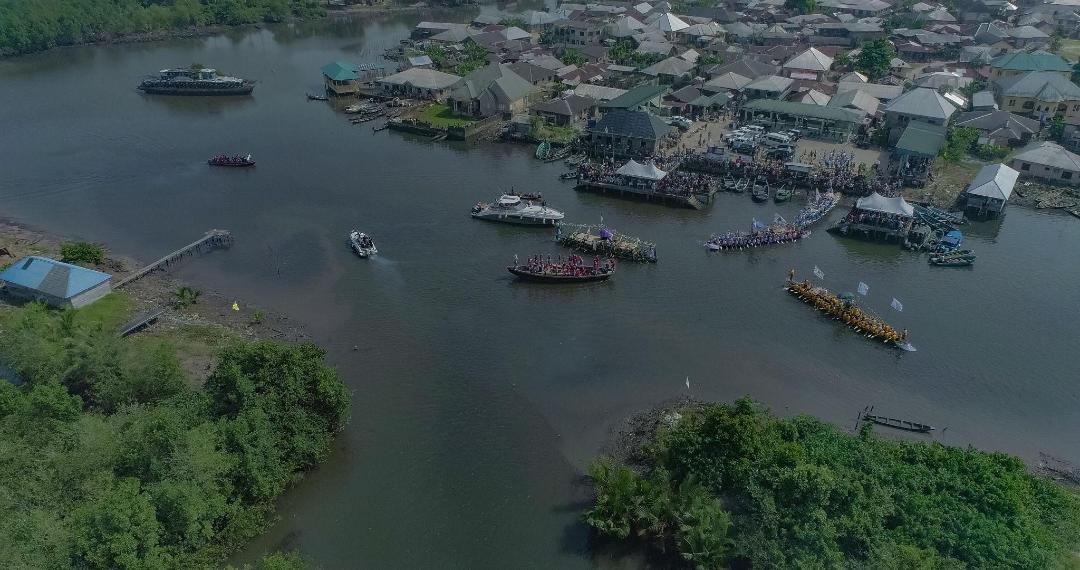
Before modern ports, offshore platforms, and international shipping lanes transformed the Niger Delta, the Wakirike people had already mastered the waterways that defined their world. Long before roads linked many communities, rivers and creeks served as the region's highways, and the ancestors of Wakirike emerged as some of the finest navigators, fishermen, traders, and boat builders in what is now Nigeria.
The story of the Wakirike people is inseparable from the sea.
For centuries, our forebears understood that the Atlantic Ocean, the Bonny River, and the intricate network of creeks surrounding their homeland were not obstacles to be overcome but opportunities to be embraced. They built sturdy wooden canoes capable of travelling great distances, navigating tides, currents, and changing weather with remarkable skill. Their knowledge of the waterways was carefully passed from one generation to the next, making the river not only a source of livelihood but also a classroom where experience became wisdom.
Masters of the Waterways
Life in Wakirike was shaped by water.
Long before modern navigation equipment existed, Wakirike mariners relied on an intimate understanding of tides, winds, currents, stars, and seasonal changes. These skills enabled them to move confidently through the complex waterways of the eastern Niger Delta, connecting communities that depended on the rivers for communication, commerce, and survival.
Their expertise was not acquired overnight. It was refined over centuries through observation, experience, and the transfer of knowledge from elders to younger generations.
Fishing as a Way of Life
Fishing was far more than an occupation. It was an art perfected over generations.
Wakirike fishermen understood the rhythms of the river and the sea. They knew where fish gathered during different seasons, recognised changing tidal patterns, and developed sustainable fishing methods that supported both livelihoods and the long-term health of aquatic ecosystems.
The rivers and estuaries provided abundant food, while fishing became the economic backbone of many families. Skills in net making, canoe handling, fish preservation, and seafood trading became valuable assets passed down through generations.
These traditions continue to sustain many Wakirike families today.
Trade That Connected Kingdoms
The waterways did more than provide food—they opened doors to commerce.
Using their deep understanding of the river systems, Wakirike traders transported fish, salt, palm produce, handcrafted goods, and other commodities to neighbouring communities throughout the Niger Delta.
The creeks became commercial highways linking kingdoms, facilitating trade, encouraging cultural exchange, and strengthening diplomatic relationships.
Long before colonial infrastructure appeared, Wakirike merchants had already established themselves as experienced participants in a thriving regional economy.
Building Communities Around the Water
Maritime life influenced every aspect of Wakirike society.
Settlements flourished along the rivers because access to water meant access to trade, communication, and opportunity. Skilled canoe builders, fishermen, traders, and navigators occupied respected positions within their communities, while traditional institutions helped regulate commerce, resolve disputes, and maintain order across the waterways.
The famous War Canoe House (Omuaru-wari), one of the defining institutions of Wakirike society, reflected this maritime heritage. Although originally organised for defence, War Canoe Houses also played important economic, political, and administrative roles, helping to organise community life and protect commercial interests along the waterways.
The sea shaped not only livelihoods but also leadership.
Encounter with the Outside World
When European traders arrived in the Niger Delta, they encountered coastal communities that were already experienced navigators and accomplished traders.
The Wakirike people were not newcomers to maritime enterprise. They had long participated in a sophisticated river-based economy built upon generations of indigenous knowledge, commercial exchange, and maritime expertise.
This foundation enabled Wakirike communities to become important participants in the commercial history of the eastern Niger Delta and contributed significantly to the region's economic development.
A Legacy That Lives On
The legacy of those early mariners remains visible today.
Many Wakirike families continue to earn their livelihoods through fishing, marine transportation, seafood trading, and waterfront commerce. Okrika's strategic location near major ports and Nigeria's oil and gas industry reflects a relationship with the sea that stretches back centuries.
Across Nigeria and beyond, Wakirike sons and daughters have distinguished themselves as naval officers, merchant seafarers, marine engineers, offshore professionals, shipbuilders, dockworkers, maritime administrators, and entrepreneurs.
Though the tools have changed, the spirit of maritime excellence endures.
Preserving Our Maritime Heritage
Yet this remarkable heritage deserves greater recognition.
Many young people know little about the extraordinary maritime knowledge that shaped the identity of their ancestors. Traditional boat-building techniques, indigenous navigation skills, fishing practices, and oral histories risk disappearing unless they are carefully documented and preserved.
Protecting Wakirike's maritime heritage requires more than remembering the past. It calls for preserving our mangrove ecosystems, documenting the experiences of veteran fishermen and canoe builders, encouraging research into indigenous maritime technology, and ensuring that younger generations understand the pivotal role the waterways have played in shaping their history.
A Maritime Nation
The story of Nigeria's maritime development cannot be fully told without recognising the contributions of coastal peoples such as the Wakirike.
Our ancestors transformed rivers into highways, built thriving commercial communities, mastered the art of navigation, and developed a culture inseparably connected to the sea.
Their legacy is not merely one of survival.
It is a legacy of leadership, ingenuity, enterprise, and resilience.
As Wakirike looks towards the future, it should also look to its greatest inheritance—not only the land beneath its feet, but the waters that nurtured its civilisation.
For the sea did not simply surround the Wakirike people.
It shaped who we were.
It continues to shape who we are.
And it will help define who we become.
Editor's Note
This feature draws upon Wakirike oral traditions alongside historical studies of the eastern Niger Delta. While individual communities may preserve different accounts of early maritime activities and trade, historians agree that the waterways were central to the emergence, prosperity, and cultural identity of the Wakirike people. Wakirike Herald welcomes contributions from historians, traditional rulers, maritime professionals, fishermen, and community elders to help preserve and document this rich maritime heritage for future generations.
Suggested Further Reading
-
Ebiegberi Joe Alagoa, A History of the Niger Delta.
-
Ebiegberi Joe Alagoa, F. N. Anozie, and Nwanna Nzewunwa, The Early History of the Niger Delta.
-
Alfred S. Abam, The Customs and Tradition of the Okrika People.
Wakirike Herald
The Voice of Wakirike People Everywhere
Written by
wk-admin
Comments
- Be the first to comment.