When the Waters Rise: The Hidden Cost of Flooding on Wakirike's Coastal Economy
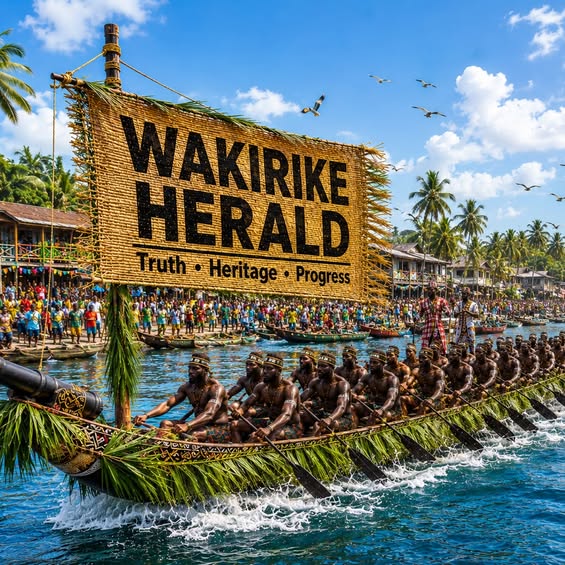
Beyond damaged homes and flooded roads, rising waters are threatening fisheries, livelihoods, food security, and the fragile ecosystems that sustain coastal communities.
By Wakirike Herald Staff
For coastal communities like Wakirike, water is both a blessing and a source of growing concern.
The creeks, rivers, and estuaries that have sustained generations of fishermen, fish processors, canoe builders, and traders are also becoming increasingly unpredictable as flooding and extreme weather events become more frequent.
When floods strike, public attention naturally turns to submerged homes, damaged roads, and displaced families. Yet another crisis often unfolds quietly beneath the surface—one that threatens livelihoods, local food supplies, and the long-term health of the coastal economy.
A Threat to Fisheries
Fishing remains one of the oldest and most important occupations in Wakirike.
Seasonal flooding, prolonged heavy rainfall, and changes in water quality can disrupt fish breeding grounds, alter migration patterns, damage fishing infrastructure, and reduce daily catches.
Floodwaters carrying debris, pollutants, and sediments can also affect aquatic ecosystems, making fishing less productive and increasing the cost of earning a living from the sea.
For families whose income depends almost entirely on fishing, even a short period of disruption can have serious economic consequences.
Pressure on Fish Processors and Coastal Traders
Flooding does not affect fishermen alone.
Women who smoke, preserve, transport, and sell fish often experience significant losses when roads become impassable or markets are disrupted.
Spoilage increases when transportation is delayed.
Storage facilities become vulnerable to flooding.
Market access is reduced.
These disruptions ripple throughout the local economy, affecting everyone from canoe operators and ice suppliers to retailers and consumers.
Food Security Beyond the Farm
Food security in coastal communities is not determined only by crops.
Fish is one of the most important sources of protein for households across the Niger Delta. When flooding disrupts fisheries and seafood supply chains, the effects are felt in kitchens, markets, restaurants, and family budgets.
Reduced fish landings can lead to higher prices, making nutritious food less affordable for many households.
At the same time, flooding often affects nearby farms producing cassava, vegetables, plantain, and other crops, creating multiple pressures on local food systems.
Protecting the Mangroves
Healthy mangrove forests play a critical role in protecting coastal communities.
They provide breeding grounds for fish and shellfish, reduce coastal erosion, improve water quality, and act as natural buffers against storm surges and flooding.
Environmental experts warn that protecting and restoring mangrove ecosystems should form part of broader climate adaptation strategies across the Niger Delta.
Healthy ecosystems support healthy fisheries.
Healthy fisheries support healthy communities.
Preparing for a Changing Climate
Climate scientists project that extreme weather events are likely to become more frequent in many coastal regions.
For communities like Wakirike, adapting to these changes will require coordinated action.
Experts recommend greater investment in flood-resilient infrastructure, improved drainage systems, sustainable fisheries management, mangrove restoration, early warning systems, and scientific research into the effects of flooding on coastal ecosystems.
Equally important is supporting fishing communities with improved storage facilities, cold-chain infrastructure, access to finance, insurance schemes, and modern fish processing technologies that reduce losses during extreme weather events.
Looking Ahead
The waters have always shaped the history of Wakirike.
They have provided food, livelihoods, commerce, and cultural identity for generations.
Today, they also present one of the community's greatest environmental challenges.
Protecting Wakirike's future will require more than responding to floods after they occur. It will demand long-term investment in resilient coastal communities, sustainable fisheries, healthy ecosystems, and climate-smart development.
Because when the waters rise, the true cost is measured not only in flooded streets or damaged buildings, but in disrupted livelihoods, weakened food security, and the resilience of the communities that have always called the coast home.
Wakirike Herald
The Voice of Wakirike People Everywhere
Written by
wk-admin
Comments
- Be the first to comment.